Blog / New Space Industry
The New Space Industry: Why the Future Is Bigger Than Earth
By Galactic Space Industries Team
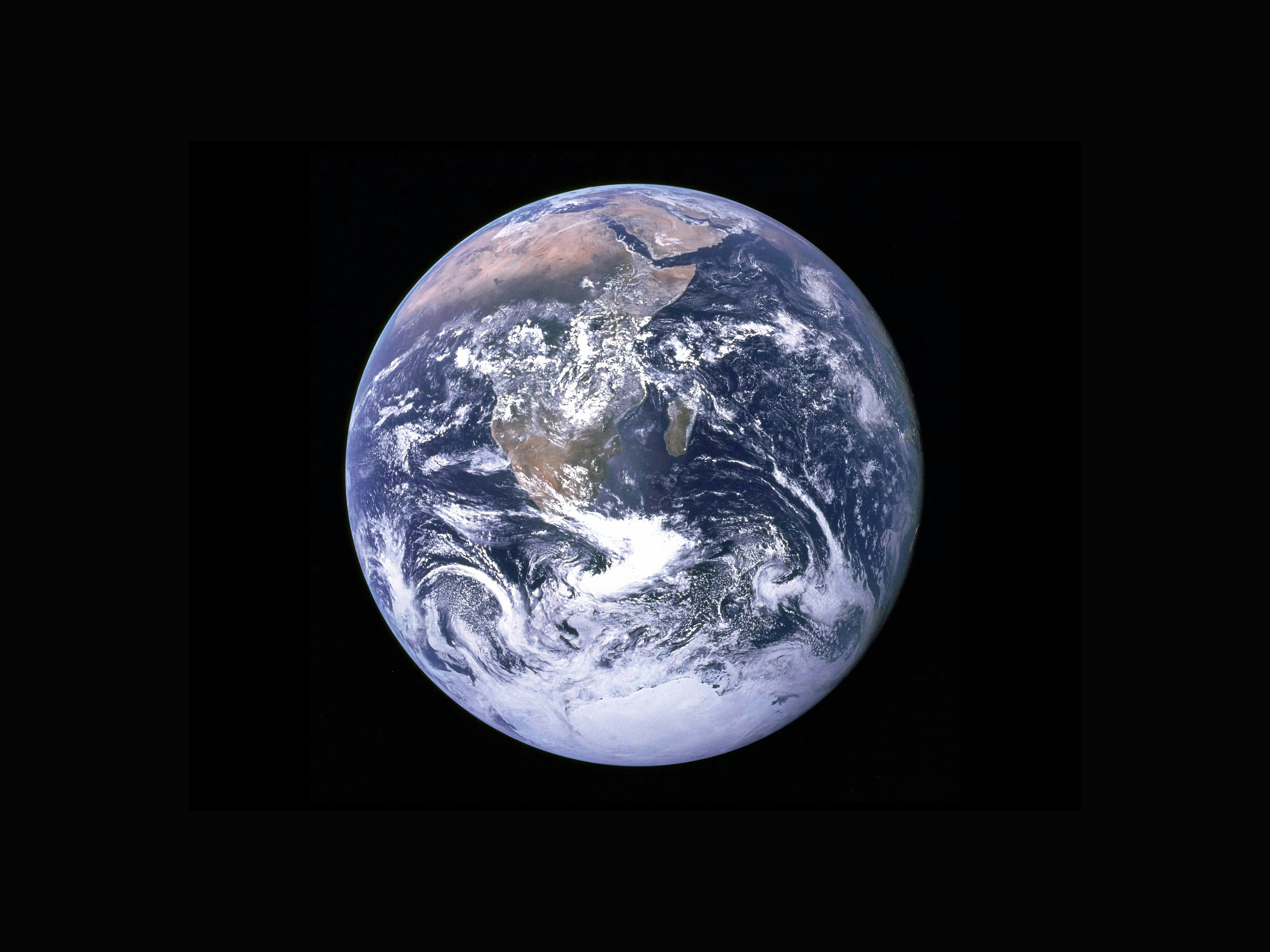
Imagine we have been measuring the ocean by the size of the harbour.
That is what most space-industry numbers still do. They add up today’s satellites, rockets, broadband, and defence contracts and arrive at one or two trillion dollars. Useful, as far as they go. They are also the wrong picture.
Earth makes about $100 trillion a year. That is a busy harbour. It is a lot of life on one world. It is not the ocean. A harbour has a shoreline. Earth has a limit: one crust, one atmosphere, one share of the Sun. The future space industry is what you get when we stop treating that shoreline as the edge of the map.
In the optimistic view, this is not a bigger aerospace market. It is a new economy — many times the size of Earth.
Elon Musk has said this as plainly as anyone. If SpaceX achieves its goals, it will be worth more than Earth. Worth more than the rest of this world. In another line, many orders of magnitude more than Earth’s economy. Space-based industry, he said, will vastly exceed the value of all of Earth, because you could take roughly 100,000 times the energy this planet uses and still be using less than a millionth of the Sun.
The harbour is where we learned to build. The industry is everything beyond the breakwater.
The first businesses: selling space to Earth
The easy-to-understand layer is already here, and it will get much larger.
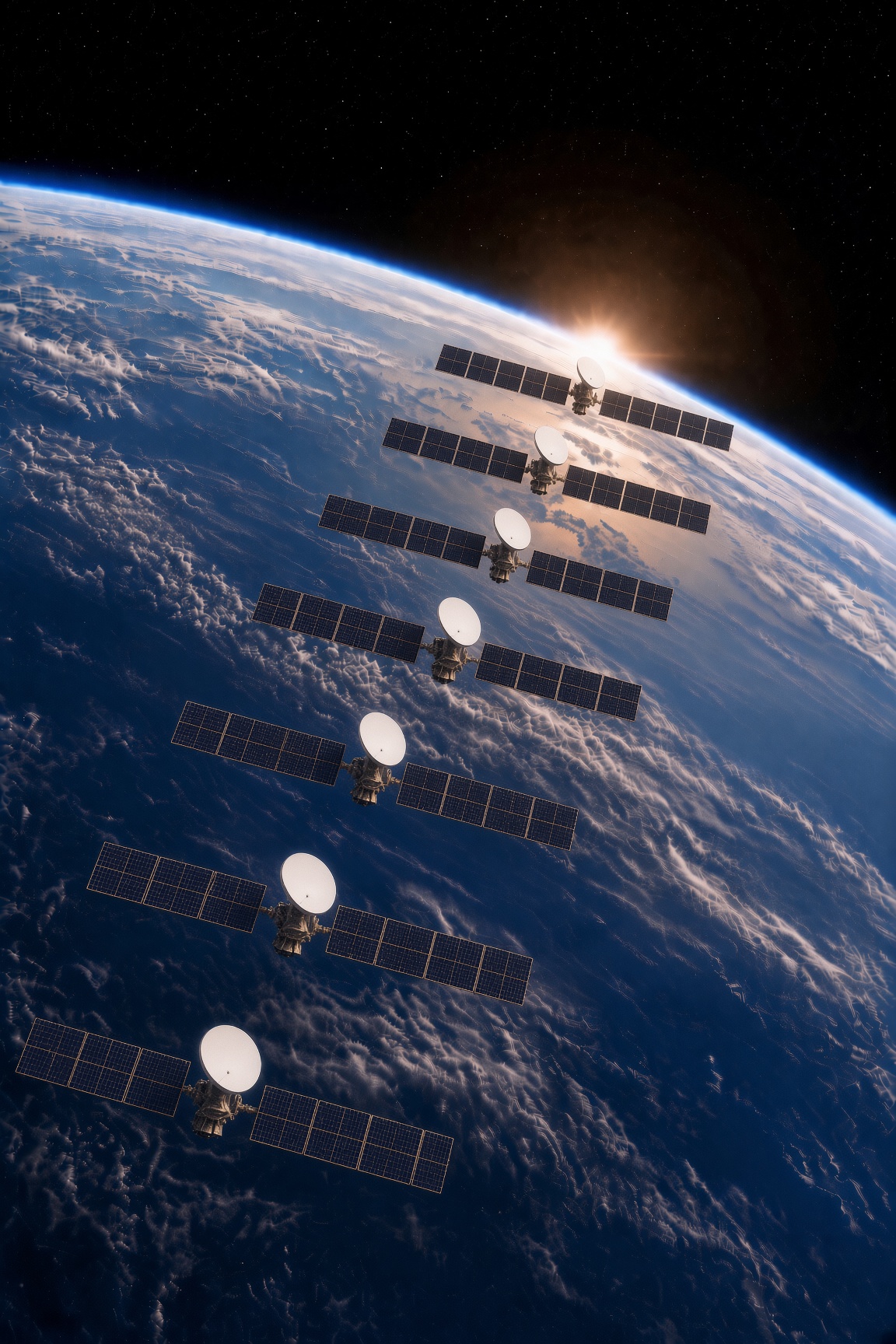
The network in the sky. Satellites will carry phones, cars, ships, planes, and factory sensors the way fibre carries the internet today. In a bold future this is not a niche telecom. It is a $50–100 trillion utility. A lead company in that role can sit in the $50–150 trillion range.
The live map. Satellites watch crops, weather, floods, ports, and roads, then sell the answers, not the pictures. Navigation and timing sit under everything that moves. The software-and-sensing businesses on top of that can be worth $10–50 trillion.
Security. Nations will pay to see and to communicate beyond the orbits we use now. That spending opens the roads. Commerce uses them. Think trillions, then $10 trillion-plus.
Getting there. Launch becomes a timetable: heavy reusable ships, tugs, fuel stops, landers. The ticket price can look modest. The company that owns the route owns a $50–100 trillion shipping line for the inner solar system.
These are the businesses that pay the bills first. They are the traffic in the harbour. They are not the ocean.
The bigger businesses: selling space to space
Once you can leave often and return on a schedule, the customer is no longer only on Earth.
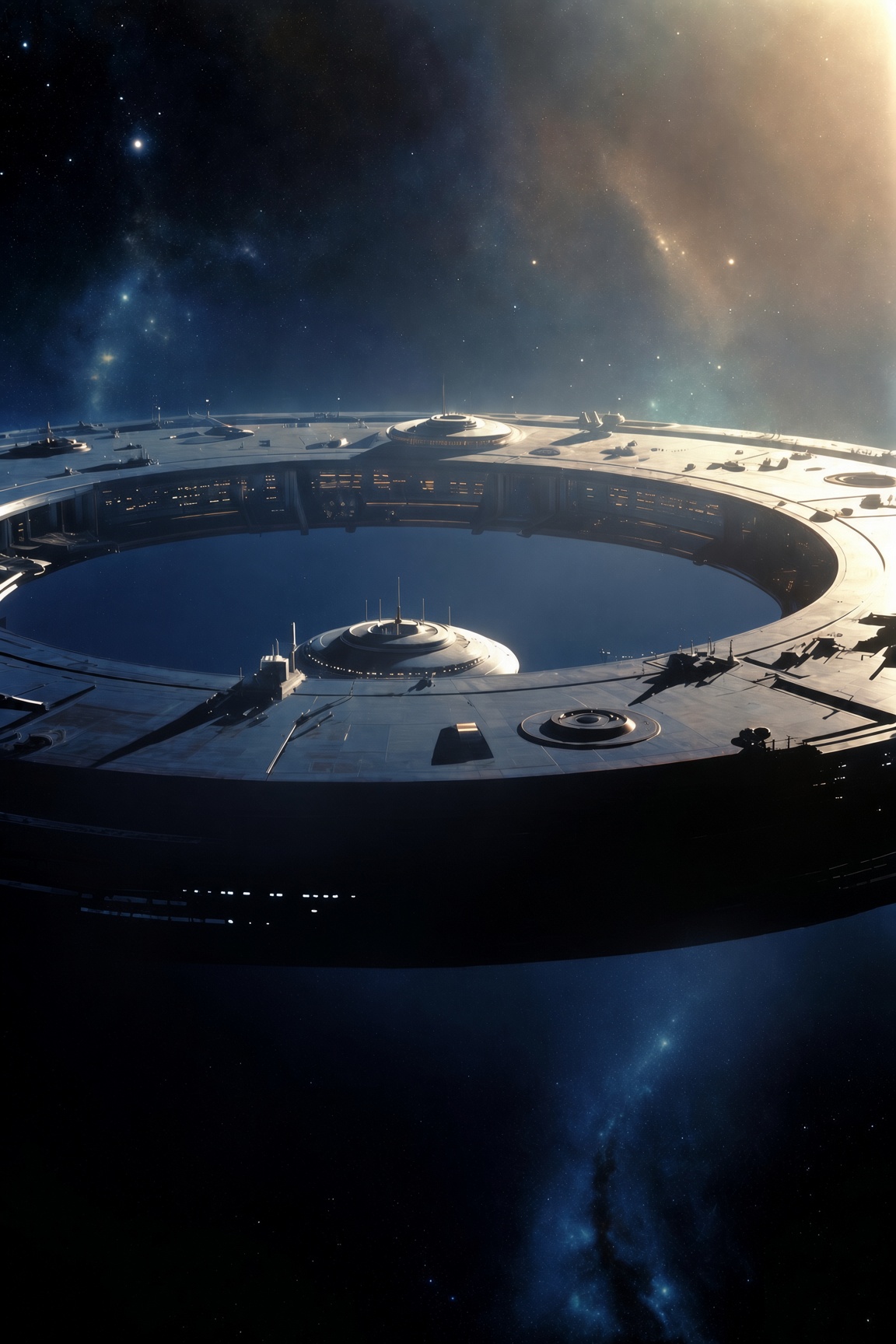
Stations become ports. People lease space, power, and cargo the way they lease a warehouse. Labs, factories, and lodging share the same address. That is $10–50 trillion of real estate that happens to float.
Factories in orbit start with products that come out better without gravity. They end by building things that never come home: tanks, beams, antennas, habitats, ship hulls. Run those yards the way we run steelworks and you are looking at $10–100 trillion.
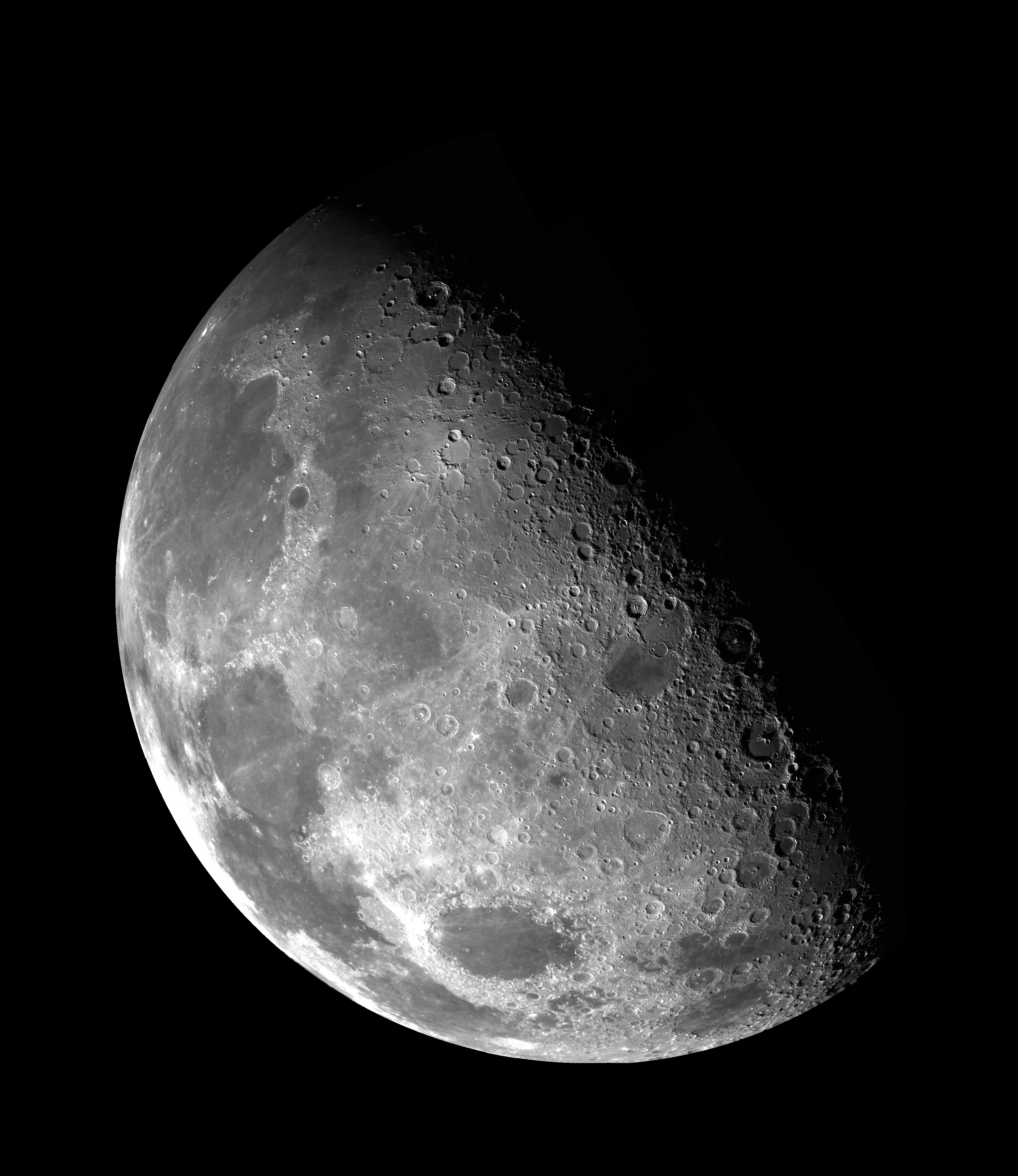
The Moon is a filling station. Ice becomes rocket fuel. Every tonne made there is a tonne you did not have to lift off Earth. Over the life of that fuel business, $50–200 trillion is not a stretch. Whoever sells the propellant sells the right to go further.
Then come the rocks.
Why asteroids change the scale
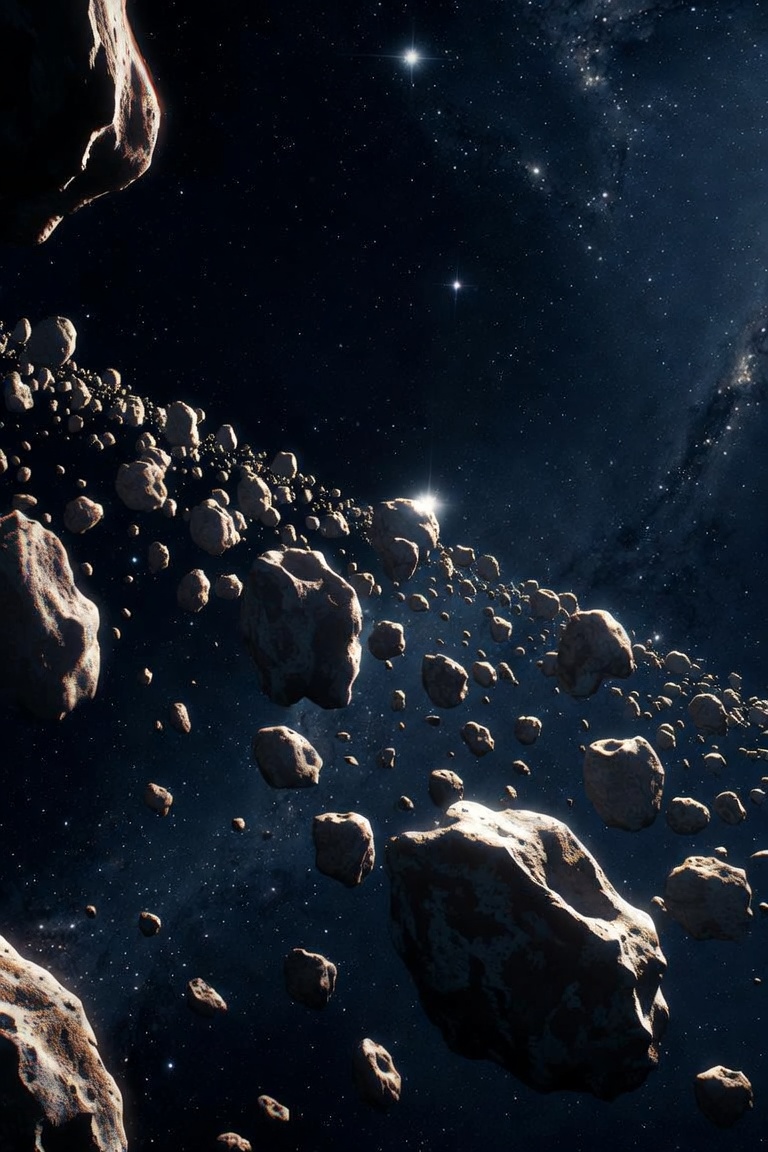
A metal-rich body such as 16 Psyche has been given thought-experiment values around $10 quintillion if you priced its iron and nickel like Earth metal. You would never dump that on a terrestrial market. The price would collapse. The point is simpler: the metal is already out there.
Nearer objects tell the same story in smaller type. One has been credited with on the order of 900,000 tonnes of platinum. The asteroid belt as a whole has been described as holding on the order of a million times the metals we can reach in Earth’s crust.
Here is the comparison that matters. Iron on the ground is cheap. Iron already in space is a finished input. If it costs $100 to put one kilogram into orbit, a tonne of steel up there is worth about $100,000. A billion tonnes is $100 trillion. Ten billion tonnes is $1 quadrillion. That is still a sliver of the warehouse.
Platinum can come home in thin, valuable loads. The real fortune is the ordinary metal that becomes ships.
Building starships in space
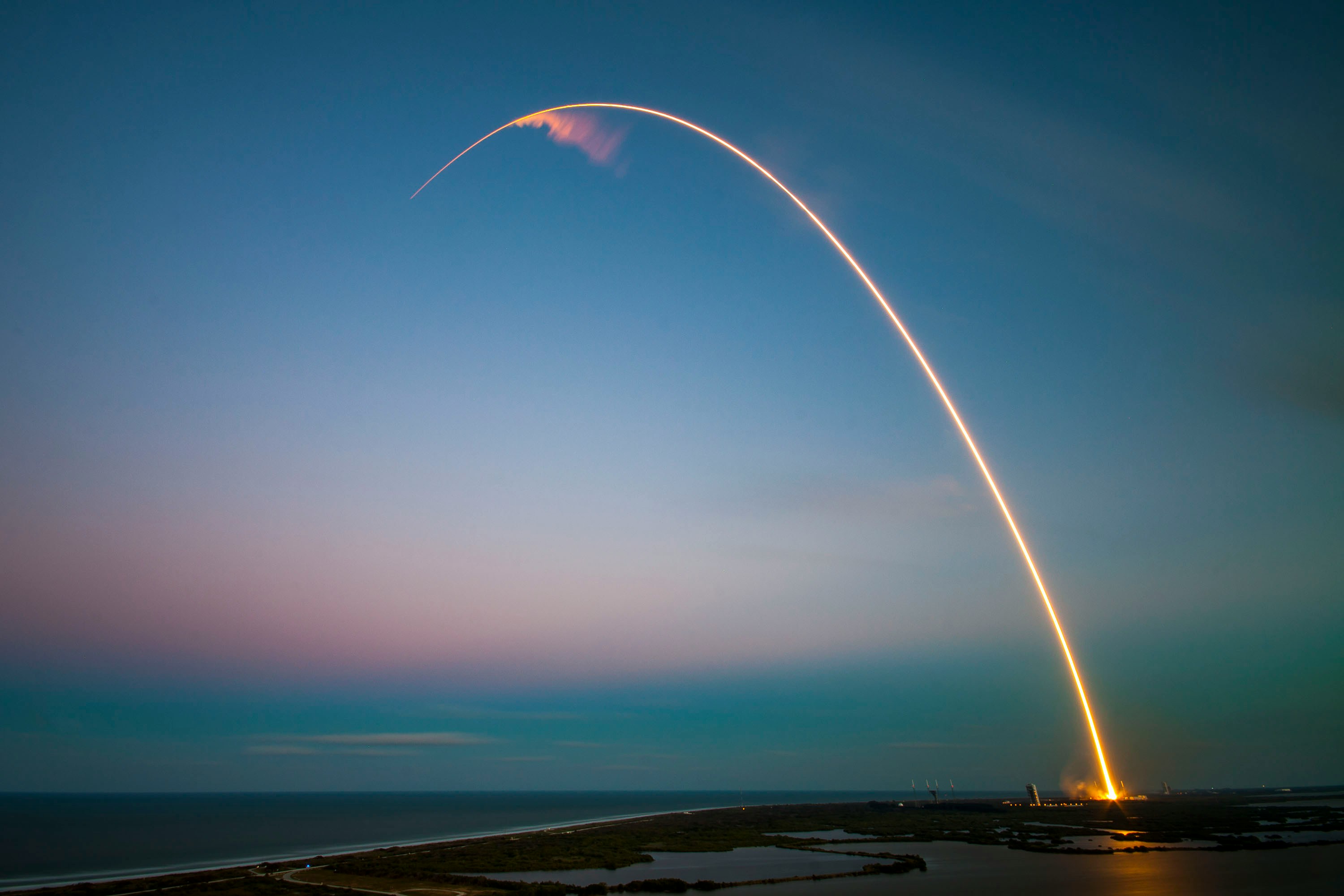
A heavy reusable ship is roughly 100 tonnes of steel and tanks, and more than 1,000 tonnes of fuel when it is full. Built on Earth, every kilogram has to be lifted out of the harbour. Built from asteroid metal, filled with lunar or asteroid water, it is a factory product whose parts were never on this shore.
The first thousand ships are a project. The next tens of thousands, then hundreds of thousands, are a production line: more sunlight, more refining, more yard time. Each miner, fuel depot, and tanker makes the next ship easier.
One ship is an asset. A yard that can keep making them is a $50–100 trillion company. The fleet, the fuel, and the metal together can be several times the value of Earth — then many times more — because the balance sheet is the inner solar system, not one harbour.
Power and computers push the same idea further. The Sun does not set in the right orbit. Heat can be dumped to the sky. If space takes even a tenth of future electricity and a tenth of future computing, you are already in the $100 trillion class. If it takes the path Musk described, the number is quadrillions, and “larger than Earth” is the modest version.
What a company can be worth
These are optimistic numbers. They are meant to be.
| If a company owns… | It can be worth… |
|---|---|
| Launch and a major satellite network | $50–150 trillion |
| The default sky network for data and connectivity | $100–200 trillion |
| Power and computing in orbit | $100–500 trillion |
| Fuel and cargo from the Moon and asteroids | $50–200 trillion |
| Shipyards using space metal | $100 trillion to many times Earth |
| Transport, energy, and materials as one system | Many times the value of Earth |
You do not need one firm to take the whole table. A handful of them, together, are the next economy.
Today’s listed space companies already hint at the direction: valuations in the trillions, a stated market of about $28.5 trillion that still leaves a Mars settlement off the page, and long-run revenue cases above $3 trillion. Read those as traffic leaving the harbour, not as the size of the sea.
What to take away
Earth is a harbour with a limit. Space is the water beyond it.
The future looks like this: rockets that fly on a schedule, a sky that works like a network, stations that make things, a Moon that sells fuel, rocks that sell steel, sunlight that sells power, and starships built where the mass already waits.
Tens of trillions is too small for a lead company in that world. Hundreds of trillions is the middle of the stack. Quadrillions, and companies worth many times Earth, are what you get when the metal, the ice, and the Sun are actually put to work.
Galactic Space Industries is building for that picture. We work on satellites, spacecraft, and missions — the first links in a chain that can one day mine, refine, and launch the next fleet from space itself.
The new space industry is not a corner of Earth’s market. Earth is the harbour. The industry is the ocean. That is the future worth writing down — and the future worth building.